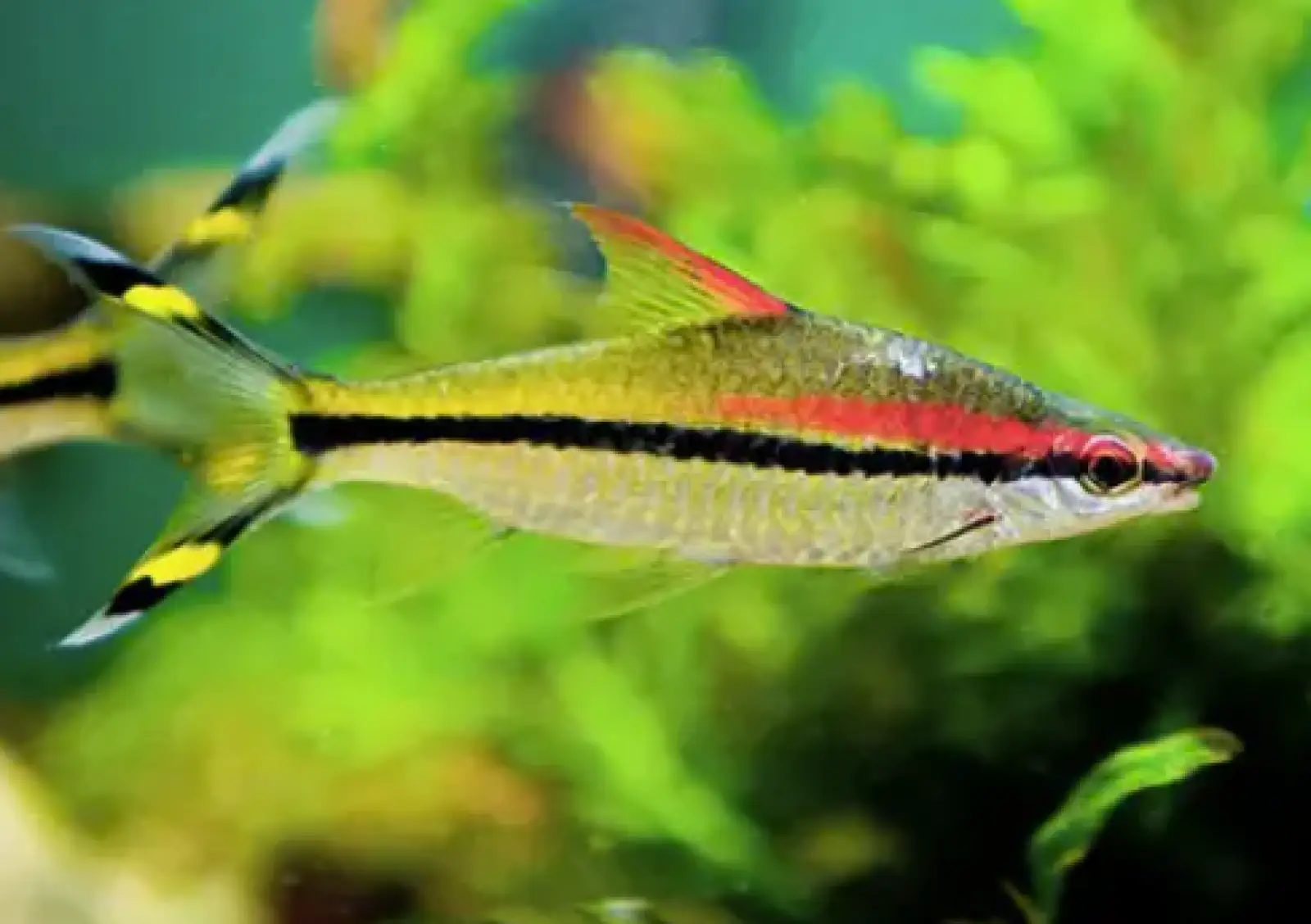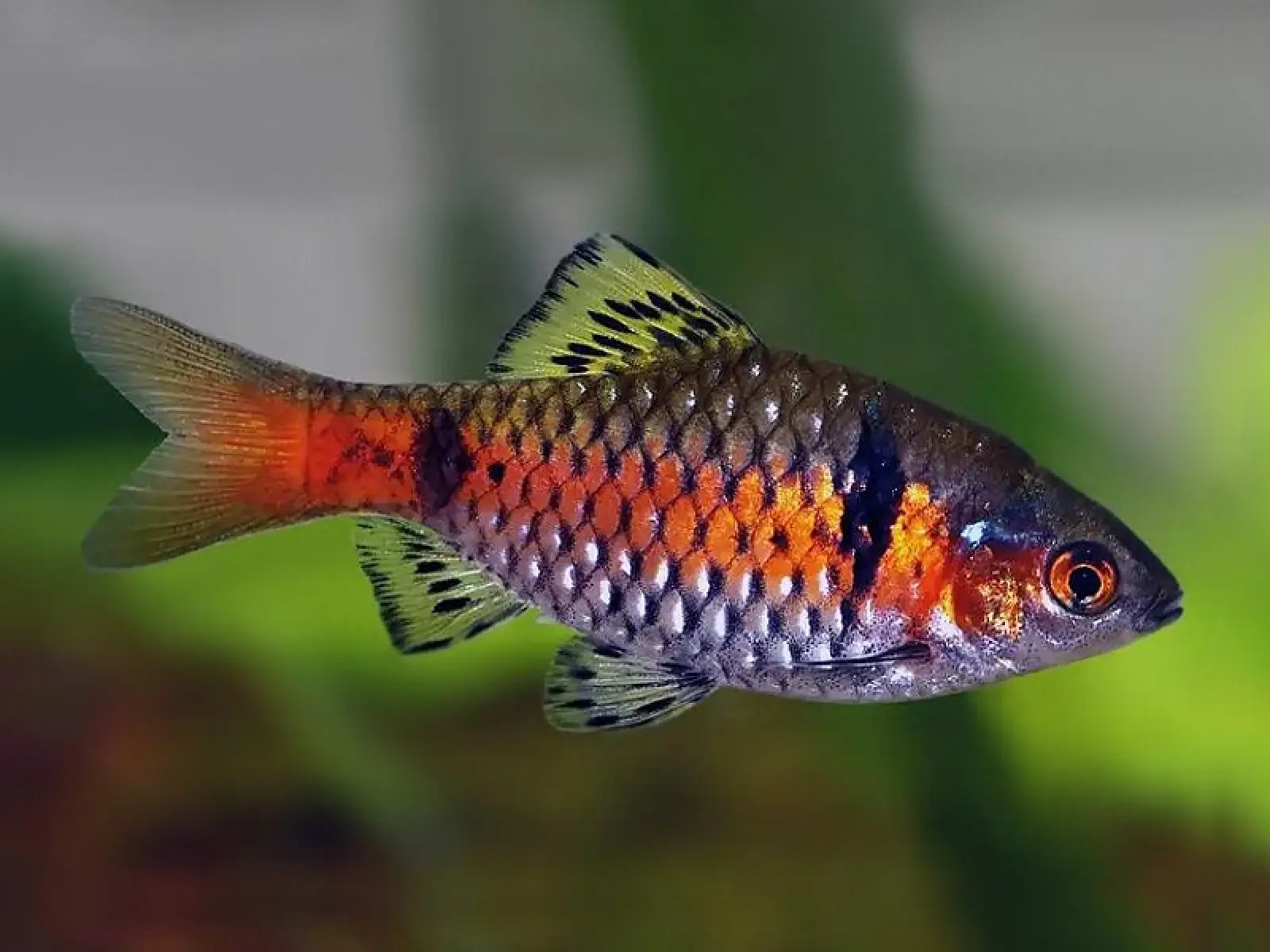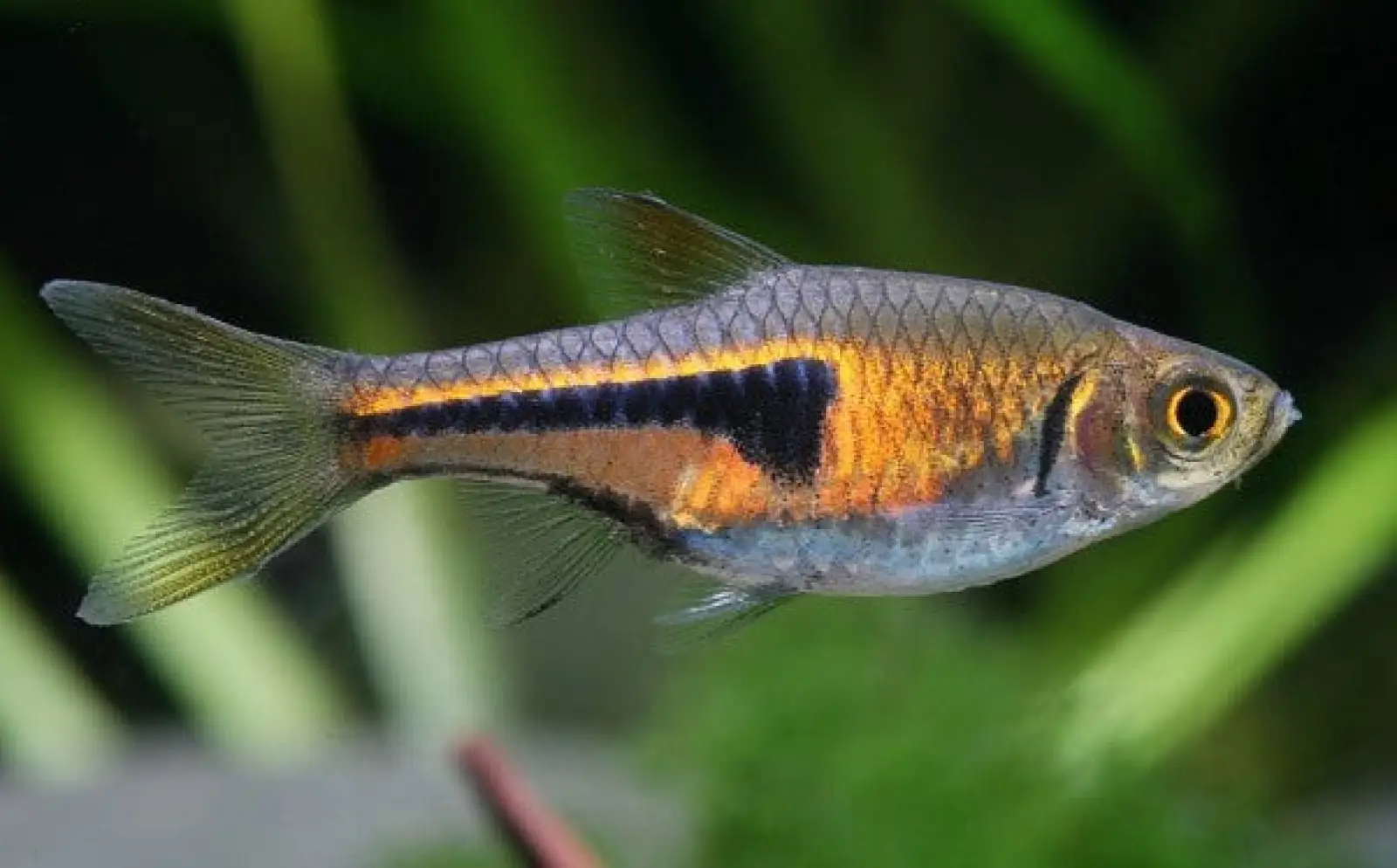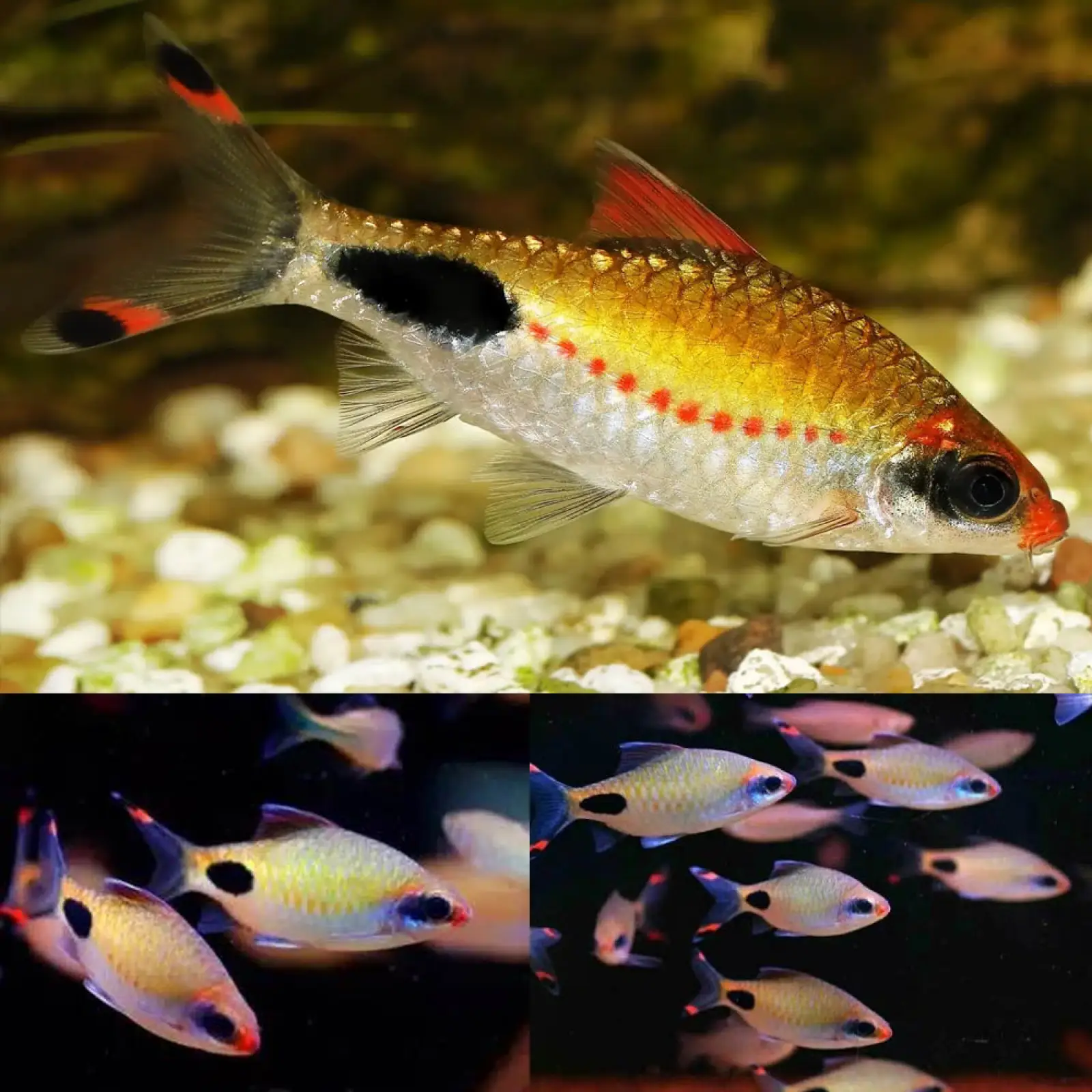
Neon Green Rasbora
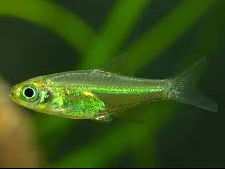
Neon Green Rasbora (Microdevario kubotai)
One of the brightest and most underrated nano schooling fish for planted aquariums.
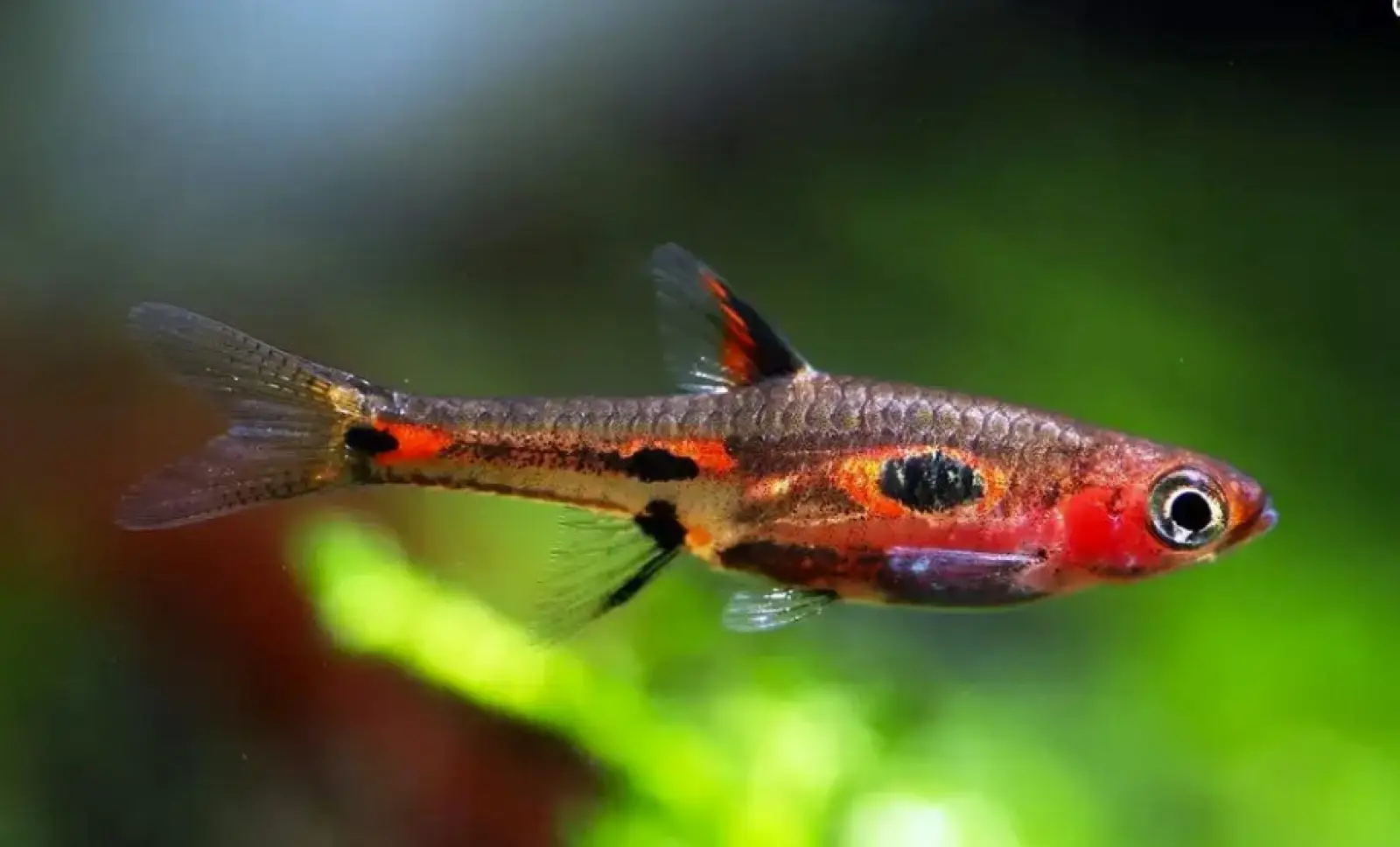
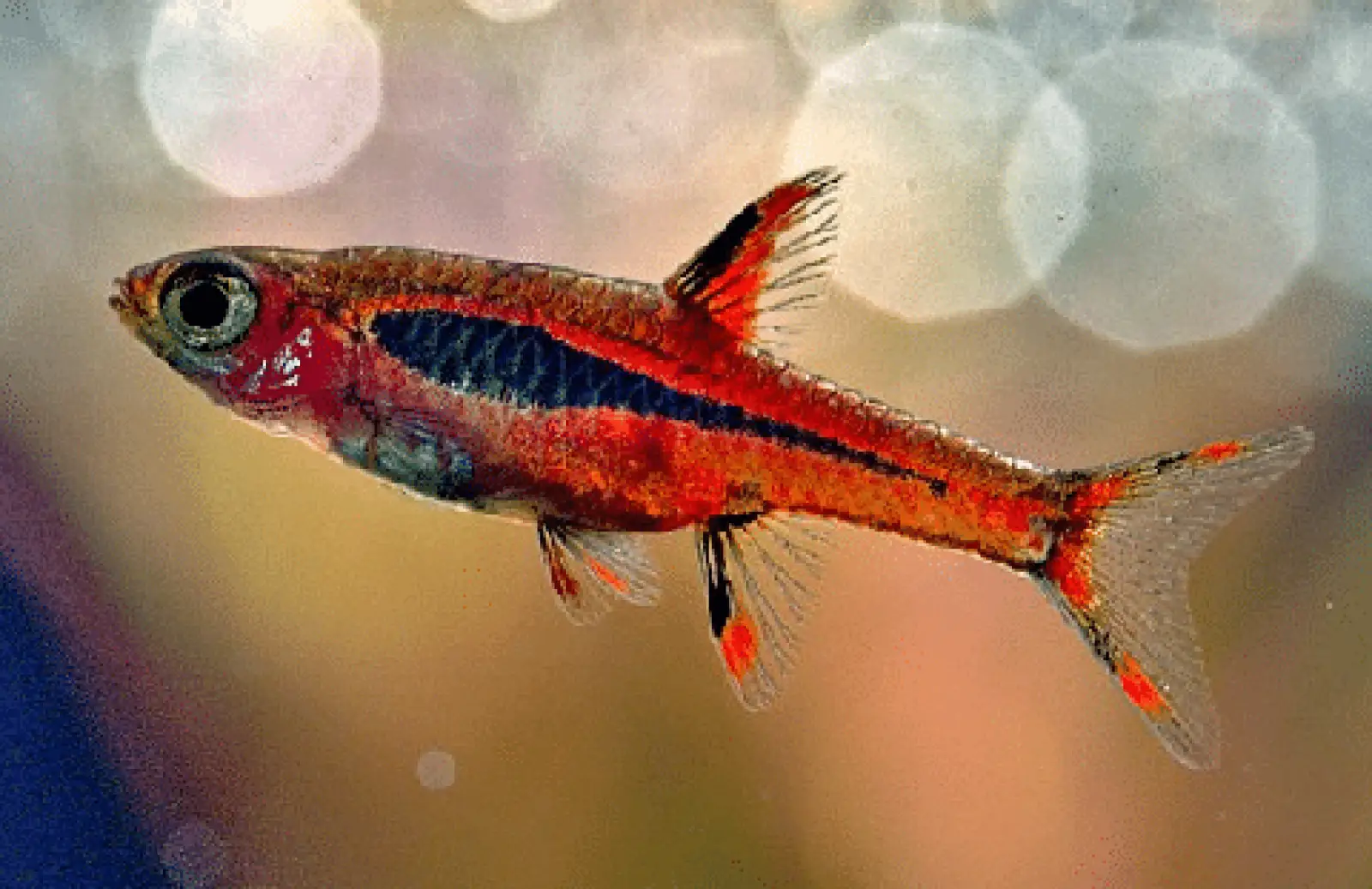
The Neon Green Rasbora, also known as Kubotai Rasbora, is a small but incredibly vibrant freshwater fish known for its glowing green coloration and active schooling behavior. It is one of the best choices for aquarists looking to add movement, color, and energy to a planted aquarium without increasing bioload significantly.
Why this fish stands out
- Bright neon green coloration that stands out in planted tanks
- Active schooling behavior adds constant movement
- Very small bioload, ideal for nano aquariums
- Peaceful and easy to mix with other community fish
Best for
- Nano and planted aquariums
- Community tanks with peaceful species
- Aquarists looking for active schooling fish
- Beginner-friendly setups with stable water conditions
Behavior & Group Size
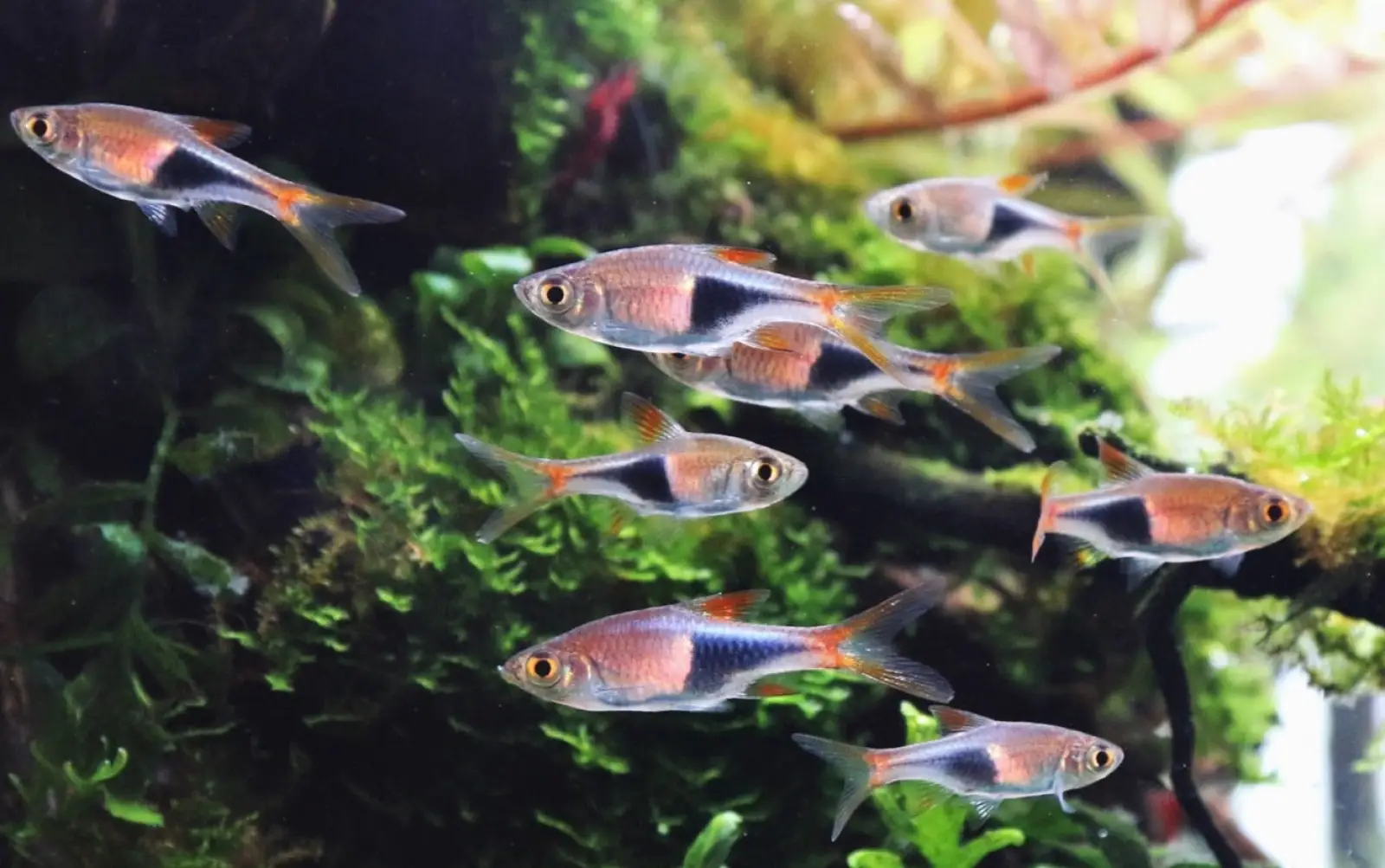
Neon Green Rasboras are true schooling fish and should always be kept in groups. We strongly recommend keeping at least 8–12 fish to bring out their natural behavior and coloration.
In small groups, they may appear shy and less colorful. In larger groups, they become more active, confident, and visually striking.
Tank Setup
These fish thrive in planted aquariums with open swimming space and some cover.
- Dense plants with open areas for swimming
- Dark substrate enhances their green coloration
- Moderate lighting works best
- Gentle to moderate water flow
They look especially impressive in aquascaped tanks where their neon green color contrasts with plants and hardscape.
Water Parameters
- Temperature: 22–28°C
- pH: 6.0–7.5
- Size: up to 2–2.5 cm
- Temperament: Peaceful
- Care Level: Easy
While often associated with soft, slightly acidic water, most fish in the trade today adapt well to stable tap water conditions when properly acclimated.
Feeding
Neon Green Rasboras are omnivores and accept a wide range of foods.
- Micro pellets and crushed flakes
- Frozen foods such as daphnia or brine shrimp
- Occasional live foods to enhance color and activity
Due to their small size, food should be appropriately sized for easy consumption.
Tank Mates
These fish are extremely peaceful and mix well with other small species.
- Other small rasboras
- Tetras
- Corydoras
- Shrimp (generally safe, but very small shrimplets may be eaten)
Topick Aquarium Insight
Many sources describe this fish as requiring soft, acidic water, but in practice, properly acclimated Neon Green Rasboras are highly adaptable.
In our experience, stability matters far more than chasing exact parameters. Once settled, they are extremely forgiving and ideal for long-term community tanks.
FAQ
Are Neon Green Rasboras good for beginners?
Yes. They are one of the easiest nano schooling fish when kept in stable conditions.
How many should I keep?
At least 8–12. Larger groups show better color and behavior.
Can they live in tap water?
Yes, as long as the tank is stable and properly cycled.
Do they need a heater?
Yes. Stable temperature is important even for hardy species.
Original: $4.37
-65%$4.37
$1.53Product Information
Product Information
Shipping & Returns
Shipping & Returns
Description
Neon Green Rasbora (Microdevario kubotai)
One of the brightest and most underrated nano schooling fish for planted aquariums.
The Neon Green Rasbora, also known as Kubotai Rasbora, is a small but incredibly vibrant freshwater fish known for its glowing green coloration and active schooling behavior. It is one of the best choices for aquarists looking to add movement, color, and energy to a planted aquarium without increasing bioload significantly.
Why this fish stands out
- Bright neon green coloration that stands out in planted tanks
- Active schooling behavior adds constant movement
- Very small bioload, ideal for nano aquariums
- Peaceful and easy to mix with other community fish
Best for
- Nano and planted aquariums
- Community tanks with peaceful species
- Aquarists looking for active schooling fish
- Beginner-friendly setups with stable water conditions
Behavior & Group Size
Neon Green Rasboras are true schooling fish and should always be kept in groups. We strongly recommend keeping at least 8–12 fish to bring out their natural behavior and coloration.
In small groups, they may appear shy and less colorful. In larger groups, they become more active, confident, and visually striking.
Tank Setup
These fish thrive in planted aquariums with open swimming space and some cover.
- Dense plants with open areas for swimming
- Dark substrate enhances their green coloration
- Moderate lighting works best
- Gentle to moderate water flow
They look especially impressive in aquascaped tanks where their neon green color contrasts with plants and hardscape.
Water Parameters
- Temperature: 22–28°C
- pH: 6.0–7.5
- Size: up to 2–2.5 cm
- Temperament: Peaceful
- Care Level: Easy
While often associated with soft, slightly acidic water, most fish in the trade today adapt well to stable tap water conditions when properly acclimated.
Feeding
Neon Green Rasboras are omnivores and accept a wide range of foods.
- Micro pellets and crushed flakes
- Frozen foods such as daphnia or brine shrimp
- Occasional live foods to enhance color and activity
Due to their small size, food should be appropriately sized for easy consumption.
Tank Mates
These fish are extremely peaceful and mix well with other small species.
- Other small rasboras
- Tetras
- Corydoras
- Shrimp (generally safe, but very small shrimplets may be eaten)
Topick Aquarium Insight
Many sources describe this fish as requiring soft, acidic water, but in practice, properly acclimated Neon Green Rasboras are highly adaptable.
In our experience, stability matters far more than chasing exact parameters. Once settled, they are extremely forgiving and ideal for long-term community tanks.
FAQ
Are Neon Green Rasboras good for beginners?
Yes. They are one of the easiest nano schooling fish when kept in stable conditions.
How many should I keep?
At least 8–12. Larger groups show better color and behavior.
Can they live in tap water?
Yes, as long as the tank is stable and properly cycled.
Do they need a heater?
Yes. Stable temperature is important even for hardy species.