🎉 Up to 70% Off Selected ItemsShop Sale

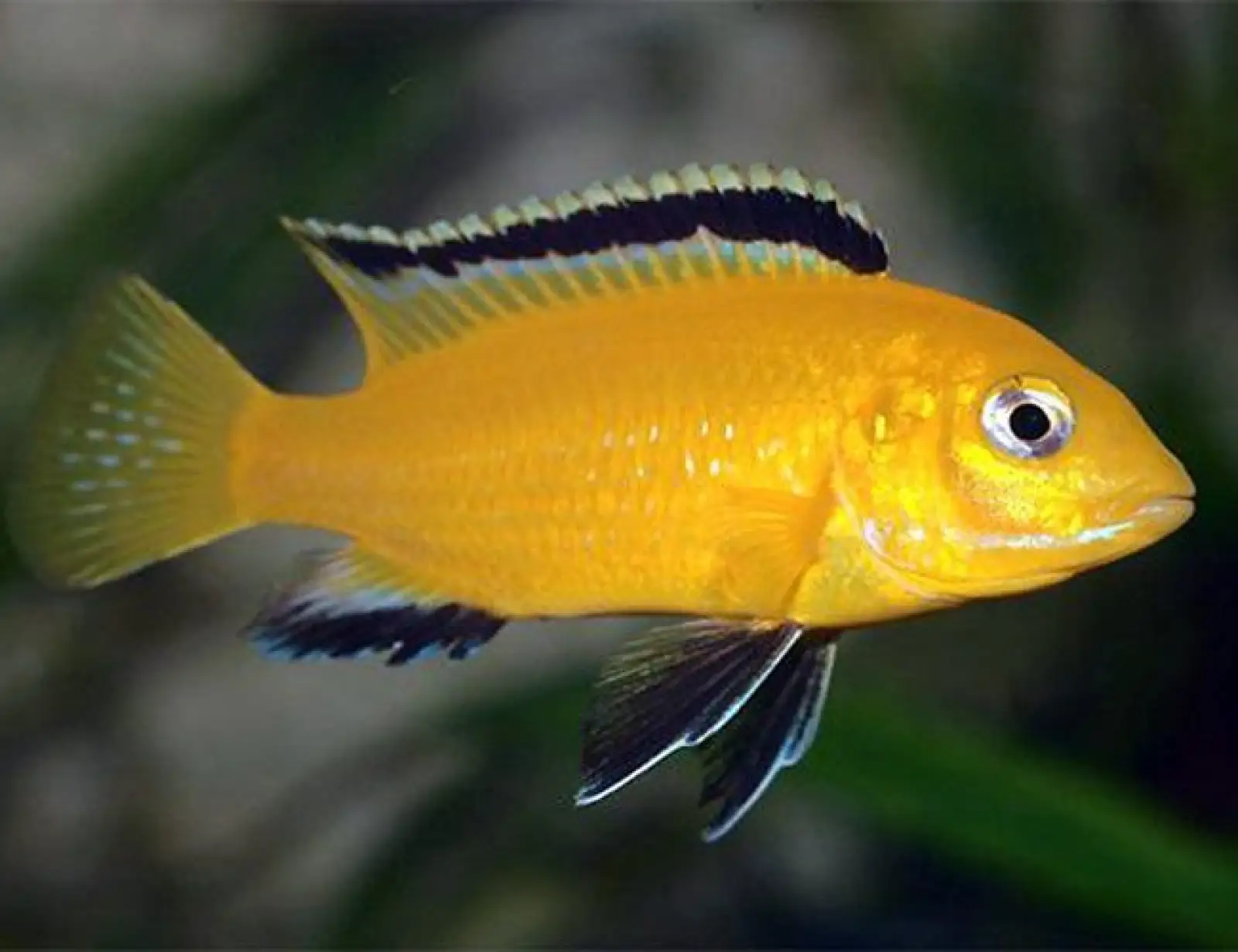
Yellow Lab Cichlid
Yellow Lab Cichlid
Description:
The Yellow Lab Cichlid, also known as Labidochromis caeruleus, is a brightly colored and popular freshwater fish. Originating from Lake Malawi, it's known for its striking yellow coloration and peaceful temperament, making it a favorite among African cichlid enthusiasts.
Features:
- Vibrant yellow coloration, sometimes with black markings
- Relatively peaceful, especially compared to other African cichlids
- Active and hardy, suitable for both novice and experienced aquarists
- Social behavior, often seen interacting with other fish
Care Instructions:
- Tank Size: Minimum 30 gallons, with ample space for swimming and hiding
- Water Parameters: pH 7.5-8.5, moderately hard to hard water
- Temperature: 24-28°C (75-82°F)
- Diet: Omnivorous; a balanced diet of cichlid pellets, flakes, and occasional live/frozen foods
- Compatibility: Best kept with other similar-sized Malawi cichlids; avoid overly aggressive species
$2.55
Original: $7.29
-65%Yellow Lab Cichlid—
$7.29
$2.55Product Information
Product Information
Shipping & Returns
Shipping & Returns
Description
Yellow Lab Cichlid
Description:
The Yellow Lab Cichlid, also known as Labidochromis caeruleus, is a brightly colored and popular freshwater fish. Originating from Lake Malawi, it's known for its striking yellow coloration and peaceful temperament, making it a favorite among African cichlid enthusiasts.
Features:
- Vibrant yellow coloration, sometimes with black markings
- Relatively peaceful, especially compared to other African cichlids
- Active and hardy, suitable for both novice and experienced aquarists
- Social behavior, often seen interacting with other fish
Care Instructions:
- Tank Size: Minimum 30 gallons, with ample space for swimming and hiding
- Water Parameters: pH 7.5-8.5, moderately hard to hard water
- Temperature: 24-28°C (75-82°F)
- Diet: Omnivorous; a balanced diet of cichlid pellets, flakes, and occasional live/frozen foods
- Compatibility: Best kept with other similar-sized Malawi cichlids; avoid overly aggressive species